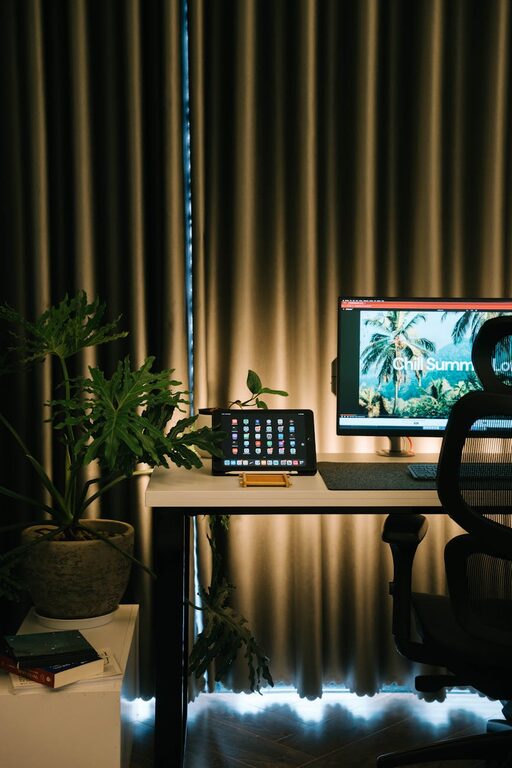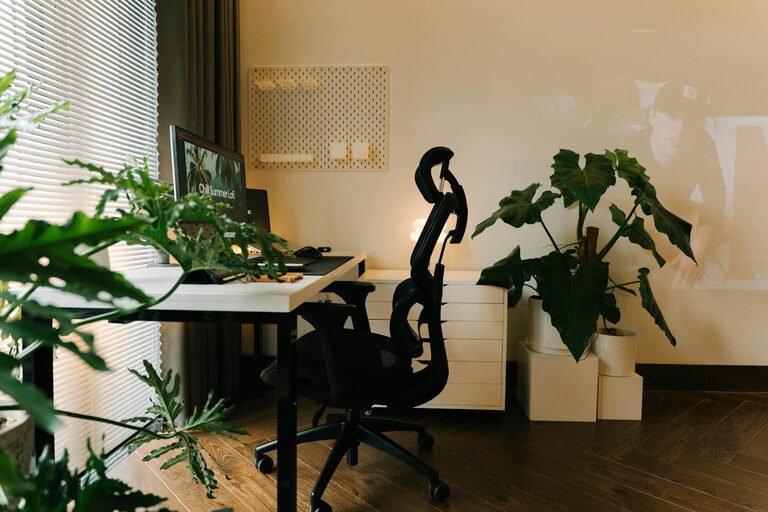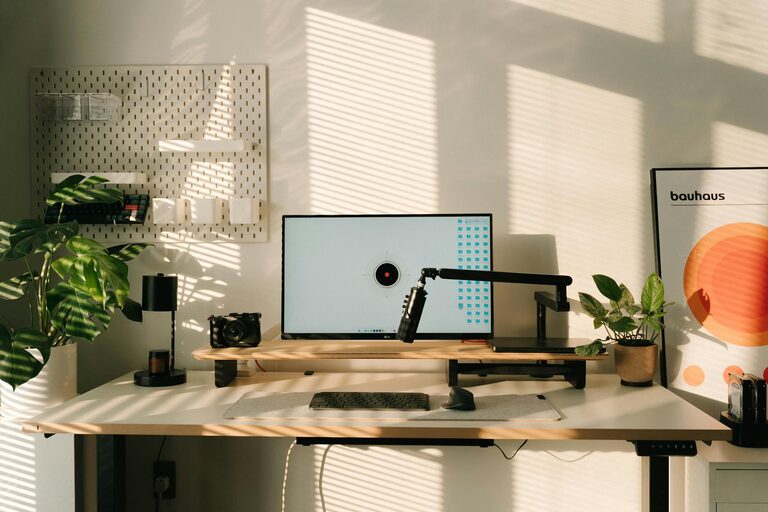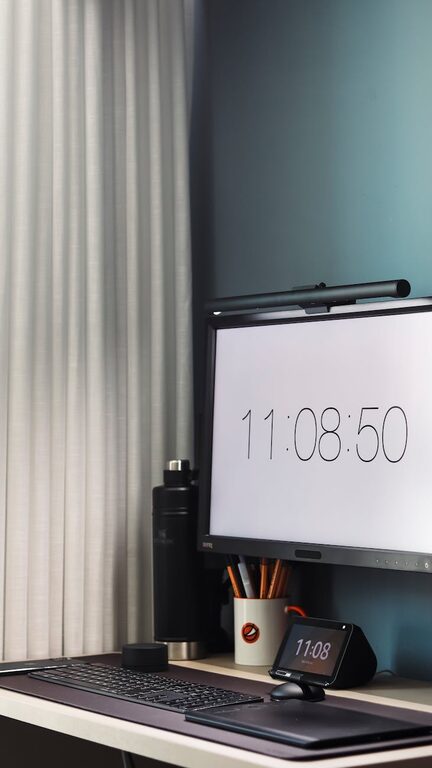



Creating a relaxing home workspace is more important than ever as many of us spend significant time working remotely. A well-designed workspace can help reduce stress, increase comfort, and improve overall productivity. Whether you have a dedicated room or just a small corner, these tips will guide you in crafting an environment that supports both relaxation and focus.
Why a Relaxing Workspace Matters
A cluttered, uncomfortable, or chaotic environment can impact your motivation and focus. On the other hand, a calm and organized workspace encourages a clear mind and a positive work rhythm. When you feel comfortable and at ease, it’s easier to stay productive and maintain a good work-life balance.
Choose the Right Location
Start by selecting the ideal spot for your workspace:
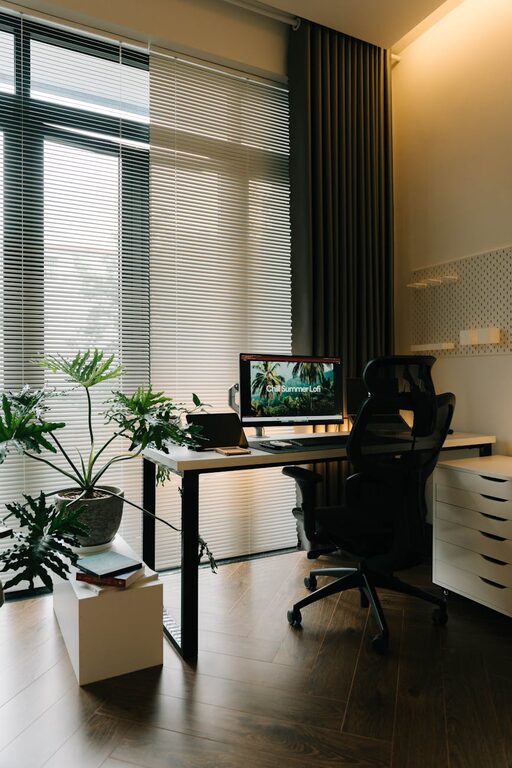
– Natural Light: If possible, set up near a window to enjoy daylight, which helps reduce eye strain and boosts mood.
– Quiet Area: Pick a space away from household noise and distractions for better concentration.
– Space to Move: Choose a spot with enough room to stretch and reposition throughout the day.
Invest in Ergonomic Furniture
Comfort is key when working for long hours:
– Adjustable Chair: Use a chair that supports your lower back and promotes good posture.
– Desk Height: Your desk should allow your elbows to rest at about a 90-degree angle when typing.
– Monitor Position: Place your computer screen at eye level to prevent neck and shoulder strain.
Keep It Organized and Clutter-Free
An organized space helps keep your mind clear:
– Storage Solutions: Use drawers, shelves, or organizers to keep supplies tidy.
– Minimal Essentials: Limit your desk to necessary items to avoid unnecessary distractions.
– Daily Reset: Spend a few minutes at the end of each day tidying your workspace.
Incorporate Calming Colors and Decorations
Color and décor influence your mood and stress levels:
– Soft, Neutral Colors: Shades like light blue, green, or beige promote calmness.
– Plants: Adding a few plants not only beautifies your space but also improves air quality and reduces stress.
– Personal Touches: Include photos or objects that inspire or relax you without cluttering your desk.
Control Lighting and Reduce Screen Glare
Proper lighting can reduce fatigue:
– Layer Lighting: Combine natural, ambient, and task lighting to adjust as needed.
– Anti-Glare Screens: Use screen protectors or position your monitor to avoid reflections.
– Warm Light: Use bulbs with a warm color temperature to create a relaxing atmosphere.
Manage Noise Levels
Background noise affects concentration differently for everyone:
– Noise-Canceling Headphones: Great for blocking distractions in noisy environments.
– Soft Music or White Noise: Some prefer calming music, while others find white noise helpful to maintain focus.
– Soundproofing: Use rugs, curtains, or acoustic panels if noise is a constant issue.
Plan Breaks and Movement
A relaxing workspace encourages regular breaks:
– Timer Reminders: Use apps or alarms to stand up, stretch, and rest your eyes regularly.
– Comfortable Space to Relax Nearby: If possible, have a chair or corner where you can take short mental breaks.
– Stay Hydrated: Keep water nearby to maintain energy and focus.
Incorporate Technology Thoughtfully
Technology supports productivity but can also overwhelm:
– Cable Management: Organize cords to prevent a messy look.
– Essential Tools Only: Limit open browser tabs and notifications to minimize distractions.
– Use Productivity Apps: Choose apps that help keep tasks and time organized.
Personalize Your Workflow
Everyone works differently, so tailor your workspace to your habits:
– Desk Layout: Arrange tools and supplies based on how often you use them.
– Lighting Preferences: Adjust brightness and colors to what feels best for your eyes.
– Routine: Develop a consistent start-of-day routine to signal the beginning of focused work.
Conclusion
Creating a relaxing home workspace is about balancing comfort with functionality. By carefully selecting your location, organizing thoughtfully, and adding calming elements, you can build a space that not only improves productivity but also supports wellbeing. Remember, the goal is to feel relaxed and ready to tackle your work with clarity and focus. Start small, experiment, and personalize your workspace until it feels just right for you.