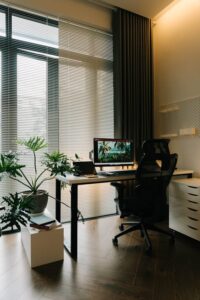

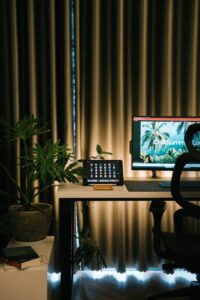
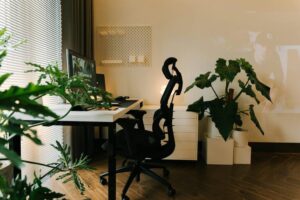

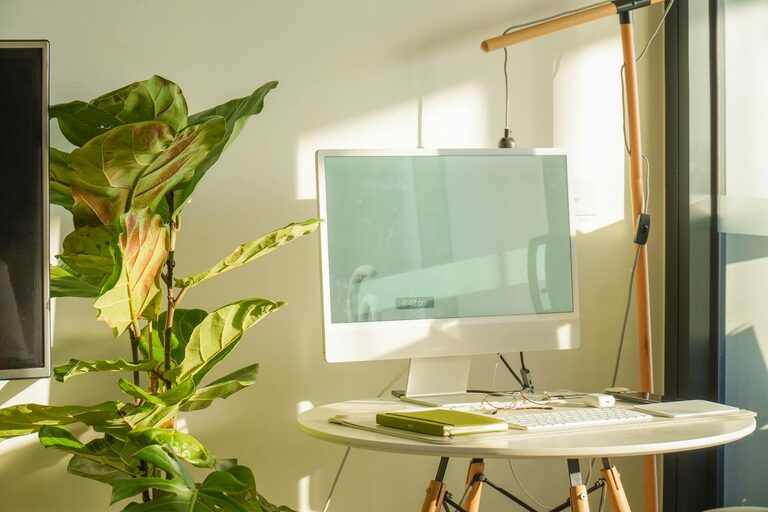
Working from home has become a common part of many people’s lives. Whether you’re a full-time remote employee, freelancer, or just occasionally working from home, having a productive home office environment is essential. A space designed for focus and comfort can improve efficiency and reduce stress. In this post, we’ll explore practical tips to help you create a home office that supports your best work.
Choose the Right Location
The foundation of a productive home office is the location. Consider a quiet spot with minimal distractions. If possible, select a room with a door you can close during work hours to signal focus time to family or roommates.
Factors to consider:
– Natural light: Work near a window for ample daylight, which helps maintain your energy and mood.
– Noise level: Avoid noisy areas like next to the TV or kitchen.
– Space: Ensure there is enough room for your desk, chair, and any equipment you need.
Invest in Ergonomic Furniture
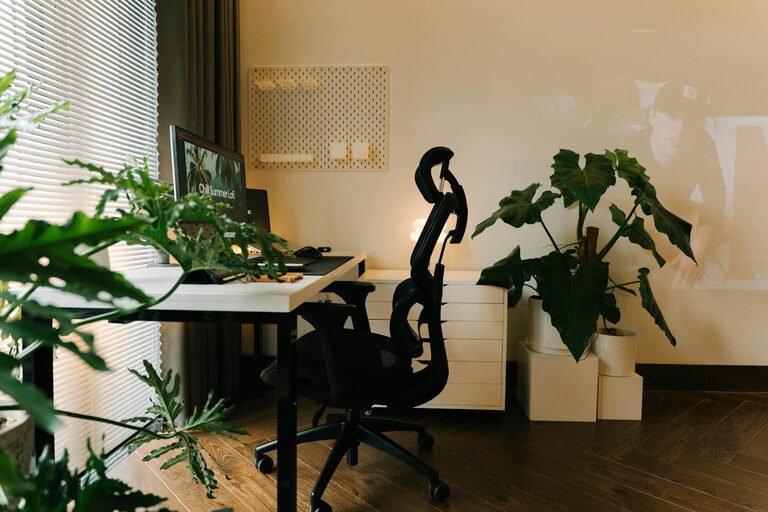
Your comfort plays a crucial role in maintaining productivity. Invest in ergonomic furniture that supports good posture and reduces strain.
– Ergonomic chair: Choose a chair with adjustable height, lumbar support, and comfortable cushioning.
– Desk at the right height: Your desk should allow you to keep your arms at a 90-degree angle while typing.
– Monitor placement: Position your screen at eye level, about 20-30 inches away, to prevent neck and eye strain.
Organize Your Workspace
Clutter can be distracting and reduce your efficiency. A clean, organized workspace helps you stay focused and find what you need quickly.
Tips for organizing:
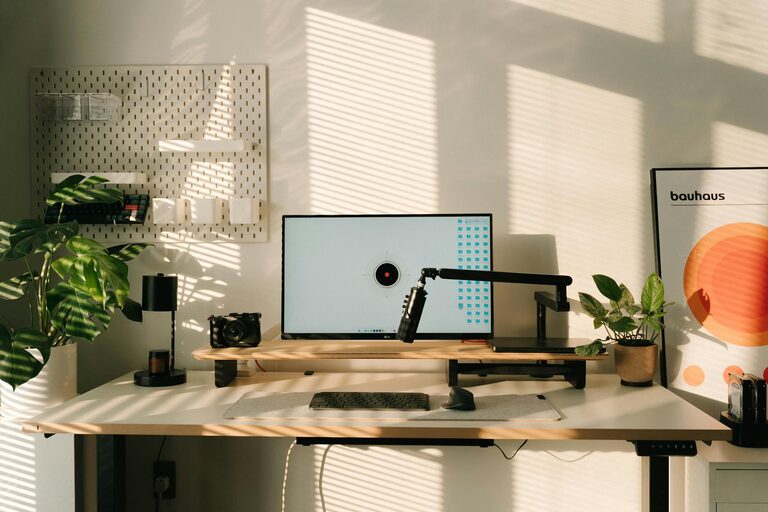
– Use storage solutions: Shelves, filing cabinets, and drawer organizers keep documents and supplies tidy.
– Declutter regularly: Set aside time each week to clear unnecessary items.
– Minimalist setup: Keep only essential tools on your desk to reduce distractions.
Optimize Lighting
Good lighting reduces eye strain and fatigue. Aim for a combination of natural and artificial lighting.
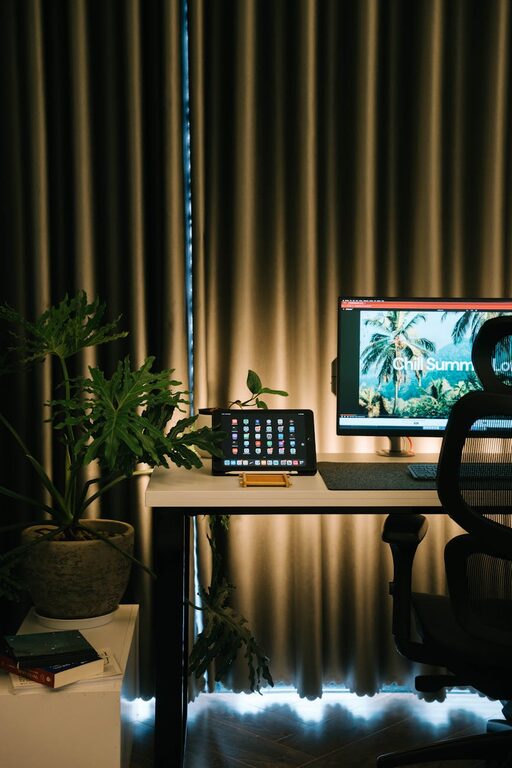
– Natural light: Maximize windows but avoid glare by using sheer curtains or adjusting your screen.
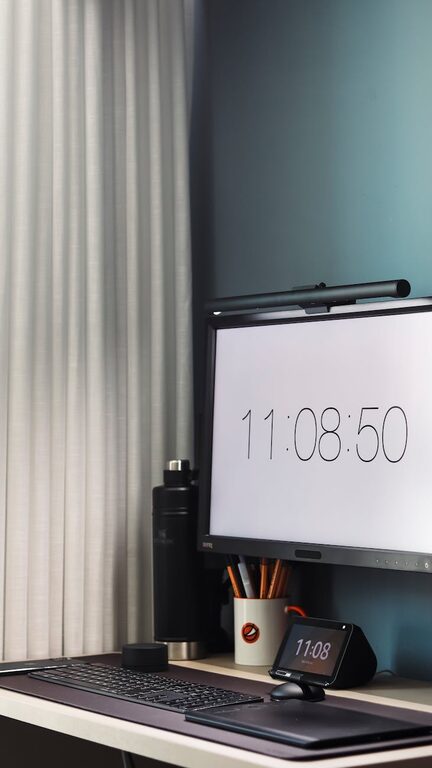
– Task lighting: A desk lamp with adjustable brightness can provide focused light where needed.
– Ambient lighting: Use ceiling or floor lamps to brighten the entire room evenly.
Minimize Distractions
Distractions can disrupt your work flow. Creating boundaries and managing your environment is key.
– Set work hours: Establish a schedule and communicate it to household members.
– Use noise-canceling headphones: These can help block out background noise, especially in shared spaces.
– Turn off notifications: Silence non-essential phone and computer alerts during focused work periods.
Personalize Your Space
Adding personal touches makes your home office inviting and encouraging.
– Plants: Indoor plants can improve air quality and add a calming effect.
– Artwork: Inspiring pictures or quotes motivate and brighten the room.
– Comfort items: A cozy throw or cushions make the office a pleasant place to spend time.
Manage Your Time Effectively
Even the best environment needs good time management to boost productivity.
– Use a planner or digital calendar: Schedule tasks, deadlines, and breaks.
– Break work into chunks: Use techniques like the Pomodoro method (25 minutes work, 5 minutes break).
– Prioritize tasks: Focus on the most important work first to stay on track.
Maintain Your Health
Physical and mental well-being supports productivity.
– Take regular breaks: Stand up, stretch, or walk around to avoid stiffness.
– Stay hydrated and snack wisely: Keep water and healthy snacks nearby.
– Incorporate movement: Consider a standing desk or take short exercise breaks.
Embrace Technology Tools
Leverage helpful apps and tools to streamline your work.
– Task management apps: Tools like Trello or Asana help you organize projects.
– Communication platforms: Use Zoom, Slack, or Microsoft Teams to stay connected.
– Focus apps: Apps like Forest or Focus@Will can improve concentration.
—
Creating a productive home office environment doesn’t require a complete overhaul. Small changes can make a big difference in your comfort, focus, and overall work quality. By choosing the right location, organizing thoughtfully, managing distractions, and caring for your health, you’ll set yourself up for success in your home workspace. Keep experimenting with your setup until it feels just right for you. Happy working!