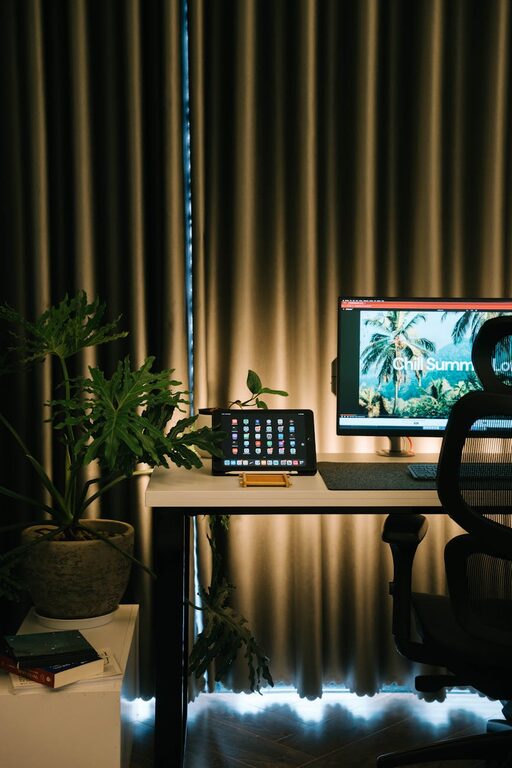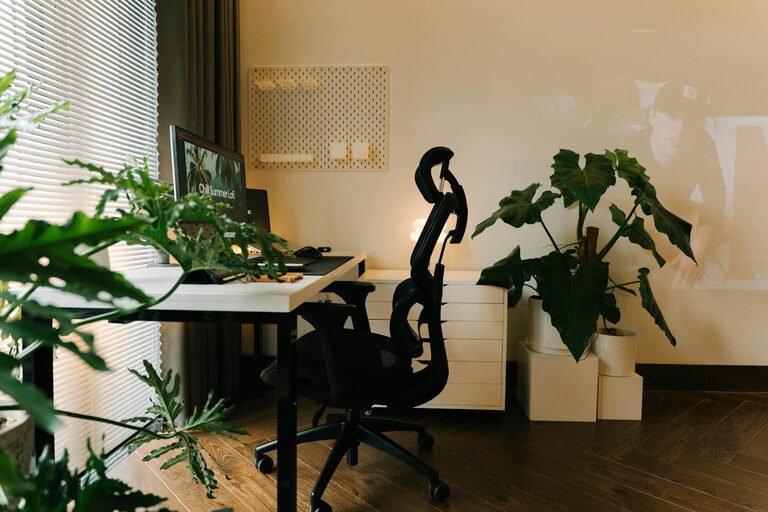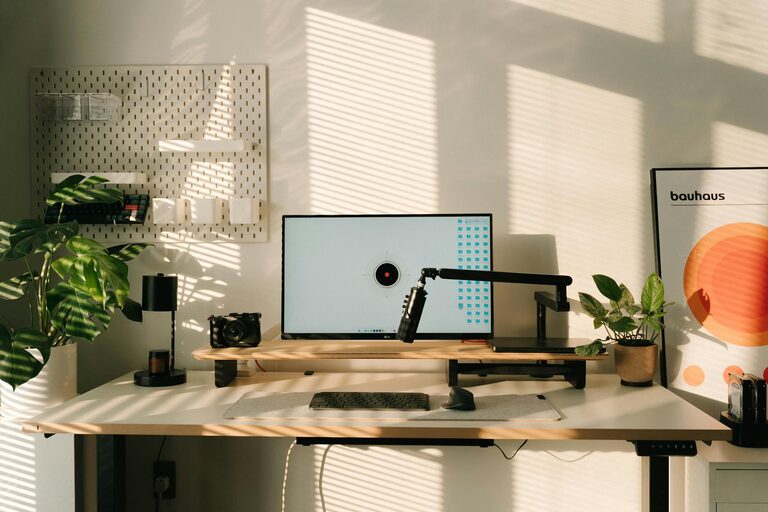




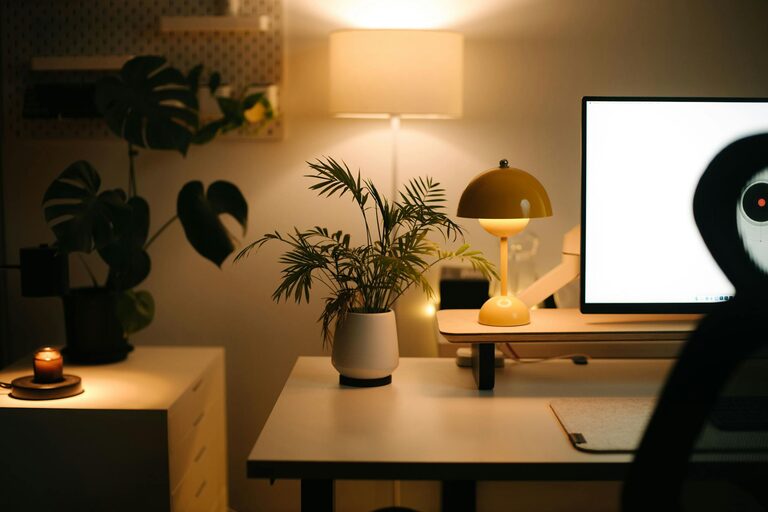
Creating a home workspace that is both cozy and productive can make a significant difference in your daily work routine. Whether you work remotely full-time or occasionally need a dedicated spot for projects, designing the right environment boosts focus, creativity, and well-being. In this post, we’ll share practical tips to help you transform any space into a comfortable and efficient office where you can thrive.
Why a Cozy Workspace Matters
Your workspace isn’t just about where you put your computer. A cozy atmosphere reduces stress, keeps distractions at bay, and encourages you to spend time focused on your tasks. When your workspace feels inviting, you’re more likely to look forward to work rather than dread it.
Choosing the Right Location
Start by selecting a spot in your home that suits your needs:
– Natural light: Aim for a place near a window. Natural light enhances mood and reduces eye strain.
– Quiet area: Pick a space with minimal noise and foot traffic to limit interruptions.
– Adequate space: Ensure there’s enough room for your desk, chair, and any equipment or supplies you need.
If space is limited, even a corner in a living room or bedroom can be adapted to create a functional workstation.
Furniture: Comfort Meets Function
Your furniture choices directly impact your comfort and productivity.
Desk
– Choose a desk that fits your space but still offers enough surface area for your essentials.
– Consider adjustable desks or standing desk converters to switch between sitting and standing during the day.
Chair
– Invest in an ergonomic chair that supports your back and encourages good posture.
– Seat height should allow your feet to rest flat on the floor with your knees at about 90 degrees.
Organization Solutions
– Use shelves, drawers, or filing cabinets to keep supplies and documents within reach but out of sight.
– Desk organizers and cable management tools help maintain a tidy workspace, reducing visual clutter.
Lighting: Brighten Your Workday
Lighting is key to maintaining focus and reducing fatigue.
– Combine natural light with adjustable artificial lighting.
– Opt for a desk lamp with warm but bright light to illuminate your work area without harsh glare.
– Avoid overly dim or overly bright lighting conditions that can cause eye strain.
Personal Touches to Boost Comfort
Make your space your own to feel truly comfortable.
– Add plants for a touch of greenery that improves air quality and creates a calming atmosphere.
– Use cushions or throws for added comfort on your chair.
– Decorate with artwork or photos that inspire and motivate you.
However, avoid overdecorating, which can distract from work.
Minimizing Distractions
Maintaining focus is easier when distractions are limited.
– Turn off non-work-related notifications on your devices during work hours.
– Use noise-cancelling headphones or play soft background music if household noise is unavoidable.
– Keep your workspace dedicated to work only; avoid mixing it with leisure activities to help your mind associate the space with productivity.
Setting a Routine and Boundaries
A cozy and productive workspace is supported by good habits.
– Define your working hours to keep a balance between work and home life.
– Take regular breaks to stretch and rest your eyes.
– Communicate your work schedule to family or housemates to minimize interruptions.
Organizing Your Digital Space
A clutter-free physical desk complements a tidy digital environment.
– Organize your files and emails into folders for quick access.
– Use task management apps to keep track of deadlines and priorities.
– Back up important data regularly to avoid stress over lost work.
Regular Maintenance
Keep your workspace inviting by tidying up at the end of each day.
– Put away papers, pens, and other materials.
– Dust and clean your desk to maintain a fresh environment.
– Periodically reassess your setup and make adjustments as needed.
Final Thoughts
Creating a cozy and productive home workspace is about finding the right balance between comfort and function. By focusing on location, furniture, lighting, personal touches, and routines, you can build an environment that supports your work goals and promotes well-being. Start small, experiment with different setups, and discover what works best for you. Your ideal home office awaits!